
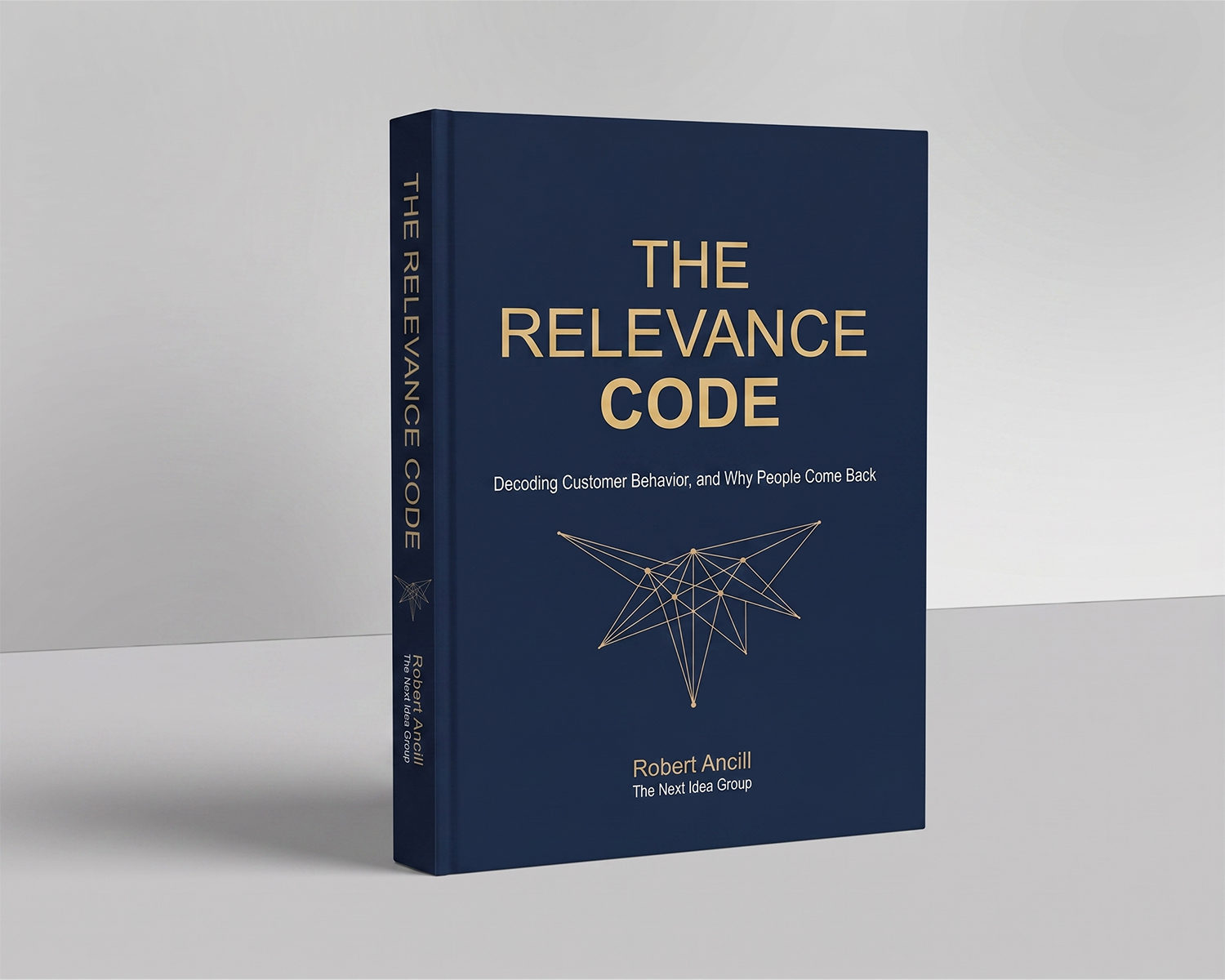
The Relevance Code is a powerful strategic framework for understanding the true drivers of customer behavior in hospitality, why customers choose, and more importantly, why they return.
In today’s highly competitive hospitality industry, defined by rising customer expectations, digital disruption, and endless choice, many restaurant, hotel, and foodservice brands respond by doing more, more menu items, more marketing campaigns, more innovation. Yet despite increased activity, performance often declines; the issue isn’t effort. It’s alignment.
Developed by global hospitality consultant Robert Ancill, The Relevance Code introduces a customer-centric methodology designed to close the gap between brand perception and real customer experience. It provides operators, owners, and investors with a clear system to evaluate customer decision-making, improve guest experience, and increase repeat business.
At its core, The Relevance Code explores the critical relationship between customer clarity, experience design, memory, and return behavior. It reveals how small misalignments across these elements can reduce customer frequency, lower conversion rates, and ultimately erode brand relevance over time.
This hospitality framework challenges traditional thinking around brand strategy, innovation, and growth, replacing it with a more precise, data-informed, and customer-led approach. Instead of focusing on what businesses deliver, it focuses on how customers interpret, evaluate, and remember experiences in real time.
Drawing on decades of international consulting experience through The Next Idea Group (TNI), Ancill provides a practical, scientific and actionable system for:
The Relevance Code reframes success in modern hospitality. Customers don’t choose the “best” business, they choose the one that makes the most sense in the moment.
Understanding that shift in customer decision-making is the key to sustainable growth, stronger customer retention, and long-term brand relevance.
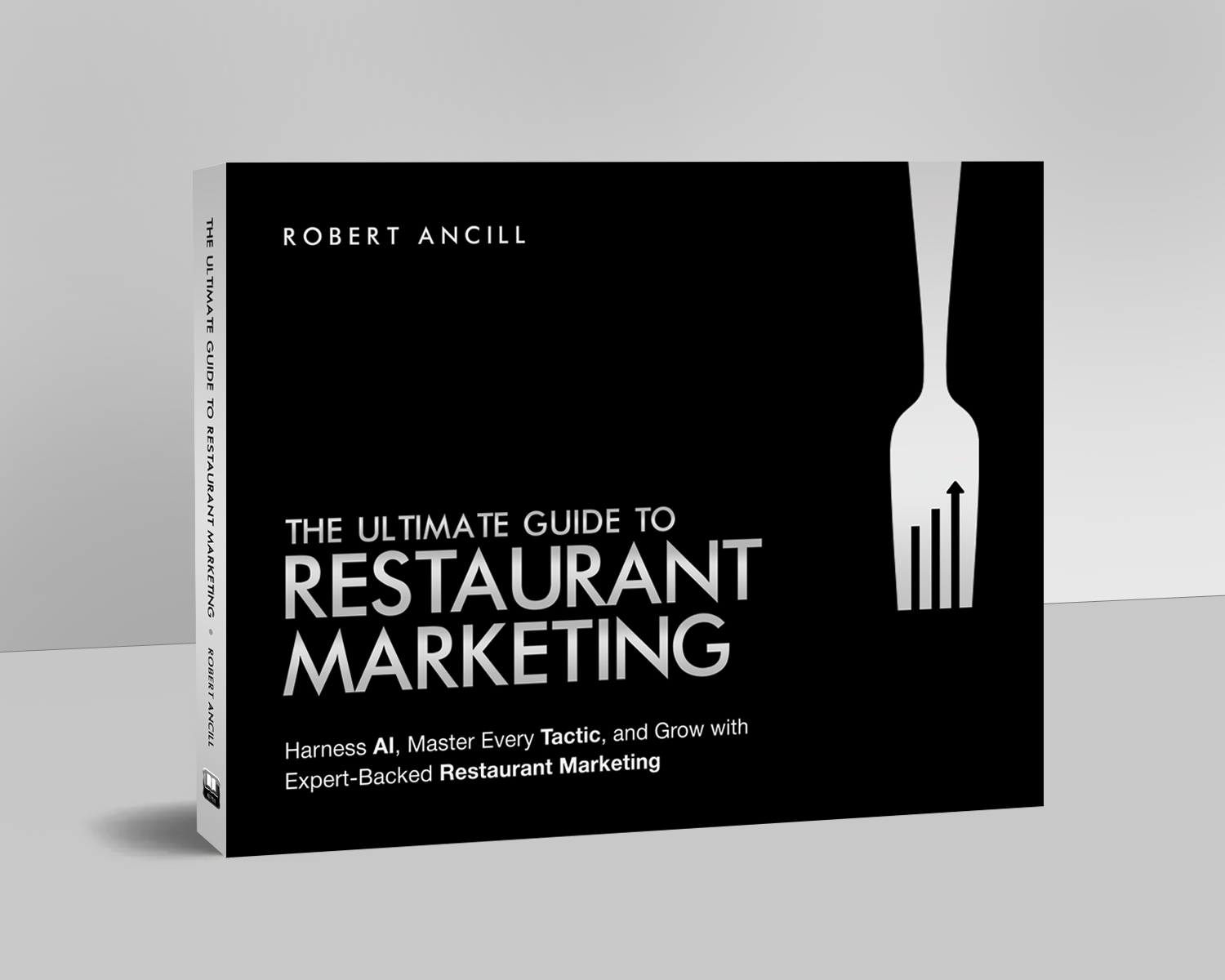
In a hyper-digital world where attention spans are short and competition is relentless, restaurant marketing must be bold, data-driven, and irresistibly engaging. Static promotions and outdated playbooks no longer make the cut.
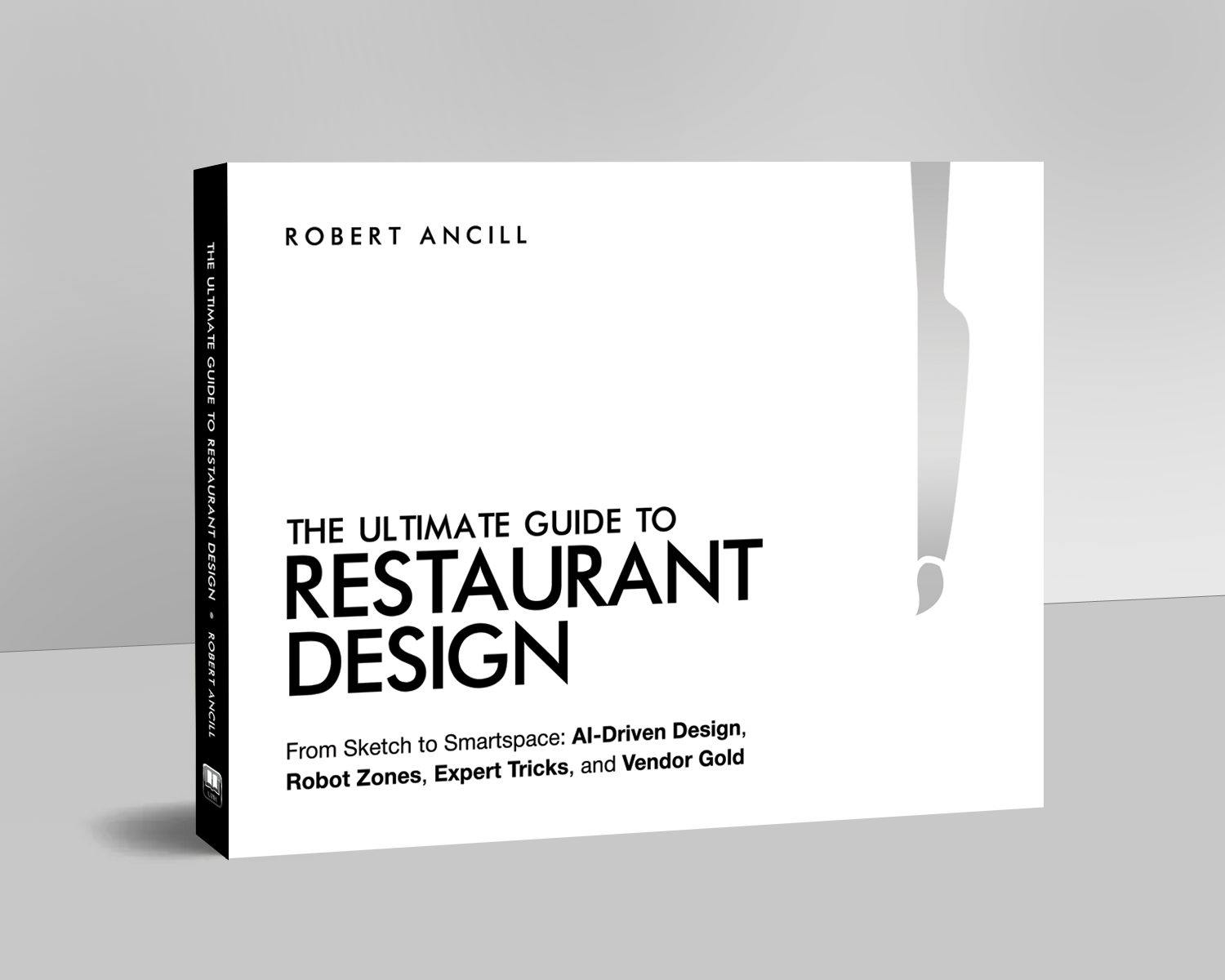
Design is no longer just about atmosphere, it’s about creating intelligent, emotionally resonant spaces that perform. In a world where guest expectations evolve faster than menus, and automation is reshaping hospitality from the inside out, restaurant design
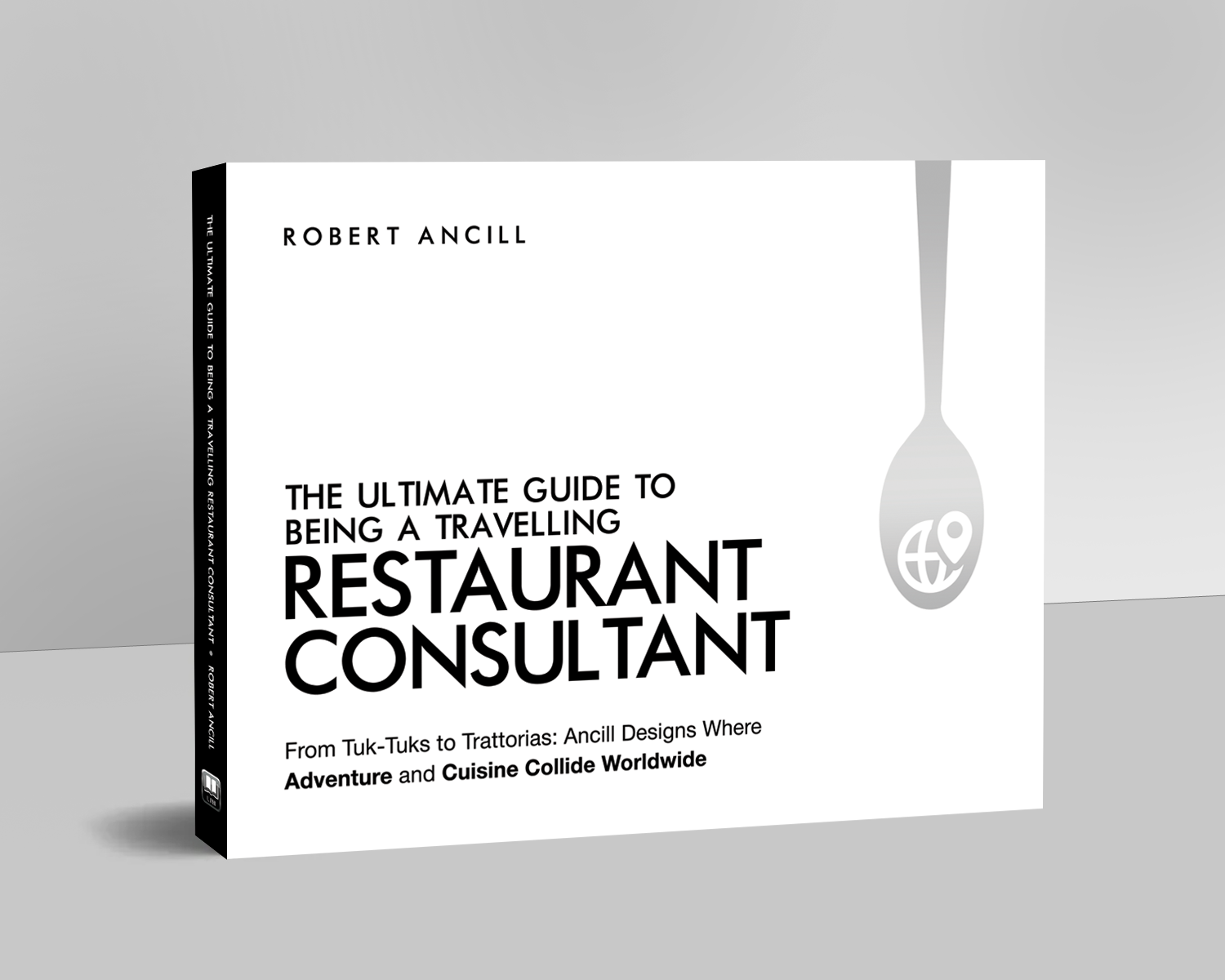
This isn’t your typical business book. It’s not wrapped in jargon or padded with theory. It’s about what actually happens when you build restaurants in real cities, with real teams, under real pressure, and still manage to make it work.