
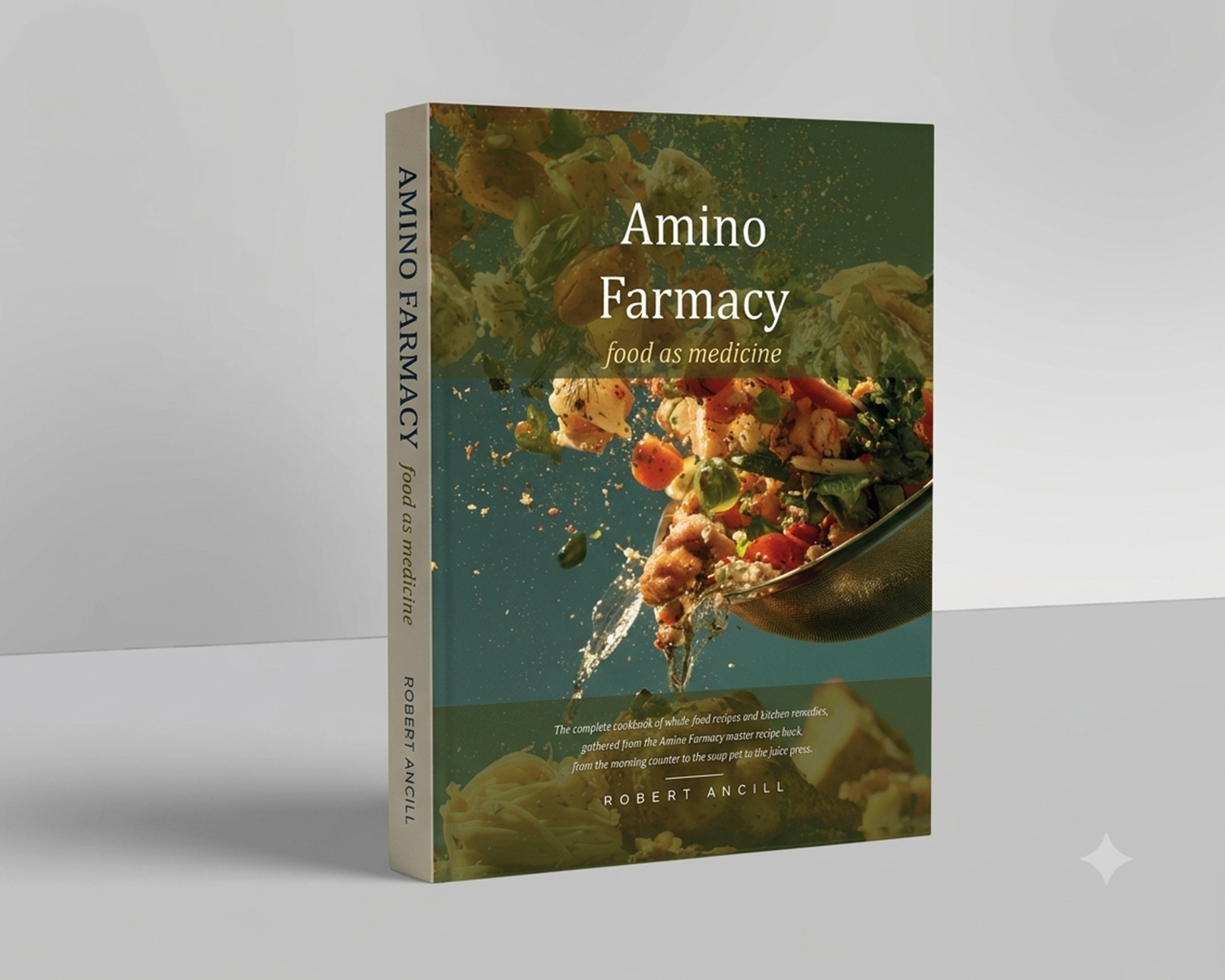
Amino Farmacy: Food as Medicine brings that principle back to the kitchen.
Created by Robert Ancill, an internationally recognized restaurant consultant, culinary strategist, and author with more than 35 years of experience in the global food and hospitality industry, Amino Farmacy is a celebration of the relationship between great cooking, natural ingredients, and better living. It is a cookbook with a purpose, but without the lectures, restrictions, or unrealistic promises that so often accompany the conversation about healthy eating.
The philosophy is refreshingly straightforward. Food should taste wonderful. Ingredients should be recognizable. Preparation should respect their natural qualities. And understanding what we eat should be as much a part of cooking as knowing how to season a soup or roast a chicken.
Throughout its richly illustrated pages, Amino Farmacy explores how everyday ingredients contribute to the body’s nutritional needs. Proteins provide amino acids essential for tissue maintenance and repair. Whole grains, legumes, fruits, and vegetables supply fiber, vitamins, minerals, and naturally occurring plant compounds. Healthy fats play important roles in normal cellular function and nutrient absorption. Herbs and spices introduce not only remarkable flavors but also a diverse range of compounds that researchers continue to investigate for their potential health benefits.
The book’s central argument is not that individual ingredients perform miracles. It is that the cumulative quality, diversity, and balance of what we eat can make a meaningful contribution to long-term health.
Food as Medicine: An Old Idea for a Modern World
The relationship between food and health is hardly a recent discovery. For thousands of years, cultures around the world have recognized that what we eat influences how we feel and function. Traditional Chinese medicine, Ayurveda, Mediterranean food traditions, and generations of home cooking all reflect an understanding that nourishment extends beyond satisfying hunger.
Modern nutritional science has provided a more detailed explanation of many of these relationships. We now understand considerably more about the roles of dietary fiber, essential amino acids, micronutrients, fatty acids, and phytonutrients. We also recognize the importance of dietary patterns rather than isolated ingredients.
Amino Farmacy connects these ideas to the practical realities of everyday cooking.
Consider the simple combination of beans and whole grains. Together, they provide complementary amino acid profiles, dietary fiber, and a variety of essential nutrients. Add colorful vegetables, fresh herbs, and a little olive oil, and the result is more than an attractive plate. It becomes a satisfying meal containing several important components of balanced nutrition.
That is the philosophy behind the Amino Farmacy kitchen: ingredients selected not simply because they are fashionable or labeled as superfoods, but because they bring genuine culinary and nutritional value to the table.
Understanding the Food on Your Plate
One of the book’s most distinctive features is the Food as Medicine commentary accompanying its featured recipes. Rather than merely explaining how to prepare a dish, these sections explore why its principal ingredients matter.
Readers discover how the beta-carotene in sweet potatoes contributes to vitamin A intake, why leafy greens are valuable sources of folate and vitamin K, how legumes provide both plant protein and fiber, and why combining certain ingredients can influence nutrient absorption.
The book also examines the nutritional significance of color. Deep red tomatoes contain lycopene, orange vegetables often provide carotenoids, and blue and purple berries contain anthocyanins. Yet Amino Farmacyavoids the common misconception that brighter food is automatically better food. Garlic, onions, mushrooms, cauliflower, and many less colorful ingredients make equally valuable contributions to a varied diet.
The objective is not to turn every meal into a scientific experiment. It is to make nutritional understanding accessible, practical, and genuinely interesting.
Because when people understand their ingredients, they are better equipped to make informed decisions about what they cook, how they prepare it, and how they combine foods into satisfying meals.
From the Morning Counter to the Dinner Table: Recipes with Purpose
The real strength of Amino Farmacy lies in its recipes. This is not a collection of obscure ingredients and elaborate preparations that look wonderful in photographs but rarely make it into a home kitchen. It is a practical, diverse collection of food designed to be cooked, shared, and enjoyed.
The cookbook moves naturally through the day, beginning with breakfast and smoothies, progressing through comforting soups, substantial bowls, salads, sandwiches, and main courses, and finishing with desserts, juices, and an extensive collection of sauces, dressings, and kitchen essentials.
Each chapter offers a different perspective on how familiar ingredients can be transformed into meals that are both appealing and nutritionally considered.
Rise & Shine: Breakfast That Works Harder
Breakfast is often described as the most important meal of the day, although what matters most is not simply eating breakfast but what that breakfast contains.
Amino Farmacy begins with recipes that demonstrate how easily a morning meal can combine flavor, convenience, and nourishment.
The Green Machine Smoothie blends spinach, romaine, mango, pineapple, banana, plant milk, and spirulina into a vibrant drink. The leafy greens contribute folate, vitamin K, and other micronutrients, while the fruit provides natural sweetness and vitamin C. Spirulina adds protein and naturally occurring pigments. The result is a refreshing smoothie that illustrates how several nutrient-rich ingredients can work together in one simple preparation.
For something more substantial, Avocado Super Toast transforms an everyday breakfast favorite into a colorful combination of grilled bread, guacamole, cherry tomatoes, basil, chickpeas, flaxseed, hemp seeds, and moringa. Avocado provides monounsaturated fats, chickpeas contribute protein and fiber, and the seeds introduce additional nutrients and texture. It is familiar food, but with greater nutritional diversity.
The Blueberry Chia Overnight Oats offer a particularly practical approach to breakfast. Rolled oats, chia seeds, blueberries, almond butter, yogurt, and milk are combined into a convenient make-ahead meal. Oats provide beta-glucan, a soluble fiber associated with healthy cholesterol levels, while chia contributes fiber and plant-based omega-3 fatty acids. Blueberries introduce anthocyanins, naturally occurring compounds studied for their potential relationship with cardiovascular and cognitive health.
Other morning recipes include Garden Shakshuka, Herb Garden Frittata Muffins, Sweet Potato Breakfast Hash, Banana Oat Pancakes, and Tofu Garden Scramble. Together, they demonstrate that nutritious breakfasts need not be repetitive, complicated, or dull.
The Soup Pot: Comfort Food with Nutritional Substance
Few dishes illustrate the relationship between nourishment and comfort better than a carefully prepared soup.
The Butternut Squash Soup combines squash, warming spices, vegetable broth, and coconut milk into a smooth, satisfying dish. Butternut squash provides beta-carotene, while cinnamon, nutmeg, and clove create layers of flavor without requiring an elaborate ingredient list. Finished with toasted pumpkin seeds, it is an example of how simplicity and thoughtful preparation can produce something genuinely special.
The Tuscan White Bean & Kale Soup draws on the traditions of rustic Mediterranean cooking. Cannellini beans, kale, tomatoes, garlic, rosemary, and vegetable broth combine to create a hearty, plant-based meal. The beans provide protein and soluble fiber, while kale contributes vitamin K and other micronutrients. It is inexpensive, satisfying, and particularly well suited to preparing in larger quantities.
The Red Lentil & Turmeric Soup takes a different direction, bringing together red lentils, ginger, turmeric, cumin, coconut milk, and lemon. Lentils provide protein, folate, iron, and fiber, while the spices contribute aromatic complexity. The finished soup is rich in flavor and texture without relying on heavy cream.
The chapter also includes Farmacy Chili, Chicken Pastina Soup, Roasted Tomato Basil Soup, Chicken Tortilla Soup, Garden Green Soup, and traditional Chicken Noodle Soup.
These are recipes that recognize an important truth: good nutrition does not have to look like diet food. Sometimes it looks like a generous bowl of homemade soup.
Nourish Bowls: Complete Meals, Thoughtfully Combined
The Nourish Bowls chapter embraces one of the most versatile approaches to modern eating: bringing grains, vegetables, proteins, herbs, and sauces together in a single satisfying dish.
The Southwest Power Bowl, Garden Buddha Bowl, and Soba Noodle Bowl demonstrate the variety possible within this simple format. Each offers a different combination of ingredients, textures, and flavors, while encouraging the reader to think about nutritional balance.
The Chili Rice Bowl offers a particularly clear example of the Amino Farmacy philosophy. A generous portion of vegetable-rich Farmacy Chili is served over brown rice, combining legumes and whole grains in a substantial meal. Beans and rice provide complementary amino acid profiles, while brown rice contributes fiber, magnesium, and B vitamins.
Other recipes, including the Chimi Bowl, Mint Chimichurri Chicken, White Fish on Carrot Noodles, and Salmon with Mango Salsa, demonstrate how the same philosophy can accommodate a wide variety of culinary influences and protein preferences.
The lesson is simple: a well-constructed meal is not defined by one fashionable ingredient. Its value comes from the thoughtful combination of everything on the plate.
A Complete Approach to Cooking, Eating, and Living Well
While many healthy cookbooks concentrate almost exclusively on vegetables, smoothies, and salads, Amino Farmacytakes a more realistic view of how people actually eat.
People want variety. They want satisfying lunches, proper dinners, comforting sandwiches, and the occasional dessert. They want meals that fit into busy working days and recipes that can be prepared for family and friends. Most importantly, they want food that tastes good enough to cook again.
Amino Farmacy embraces that reality rather than attempting to change it.
Main Courses That Put Flavor First
The Main Plate chapter demonstrates that balanced eating can include a wide range of proteins and culinary traditions.
Lemon Herb Roast Chicken celebrates the simplicity of properly prepared poultry, aromatic herbs, and fresh citrus. Chicken provides complete protein, while herbs and lemon contribute flavor without requiring complicated sauces or excessive seasoning.
Miso-Glazed Salmon with Bok Choy introduces a different culinary perspective, combining the richness of salmon with the savory depth of miso and the freshness of green vegetables. Salmon is a source of complete protein and long-chain omega-3 fatty acids, while bok choy contributes vitamins and minerals.
For readers seeking plant-based alternatives, Coconut Chickpea Curry and Quinoa & Lentil Stuffed Peppers demonstrate how legumes, grains, vegetables, and spices can create substantial and flavorful meals without meat.
The emphasis throughout is on diversity rather than restriction. Animal proteins and plant-based ingredients can both have a place in a balanced diet. The important questions are how they are prepared, what accompanies them, and how they contribute to the overall quality of the meal.
From the Garden and Between Bread
Salads are often treated as a nutritional obligation rather than something to look forward to. Amino Farmacytakes a different approach, using fresh produce, grains, proteins, and carefully prepared dressings to create dishes with genuine culinary appeal.
The Mediterranean Salad, Kale Caesar with Crispy Chickpeas, Sweet Potato & Black Rice Salad, and Harvest Quinoa Salad demonstrate how vegetables can form the foundation of a complete and satisfying meal.
The Watermelon, Cucumber & Feta Salad brings together sweet fruit, refreshing vegetables, and salty cheese, illustrating how contrasting flavors and textures can make simple ingredients memorable. The Salmon Niçoise Salad offers a more substantial option, combining fish with vegetables in a classic Mediterranean-inspired preparation.
The Between Bread chapter is equally practical. Recipes such as the Black Bean Burger, Baked Falafel Pita, Portobello Pesto Melt, Lemongrass Chicken Bánh Mì, and BBQ Jackfruit Sandwich provide alternatives to the assumption that a satisfying sandwich must rely on heavily processed fillings.
These recipes also demonstrate the book’s broader culinary philosophy. Healthy eating should expand our choices, not reduce them.
Sweet Medicine: Making Room for Dessert
Perhaps one of the most appealing aspects of Amino Farmacyis its refusal to treat dessert as an enemy.
The Sweet Medicine chapter includes Mango Mousse, Farmacy Chocolate Mousse, Baked Cinnamon Apples, Dark Chocolate Bark, Coconut Chia Pudding, and Peanut Butter Banana Ice Cream, alongside cookies, muffins, and other baked treats.
The Coconut Chia Pudding illustrates how a dessert can incorporate ingredients that also provide fiber and beneficial fats. Baked Cinnamon Apples celebrate the natural sweetness of fruit, while Dark Chocolate Bark demonstrates how a rich, flavorful treat can be enjoyed in modest portions.
These recipes are not presented as medical treatments or nutritional miracles. They are reminders that balance and enjoyment belong in the same conversation.
These recipes are not presented as medical treatments or nutritional miracles. They are reminders that balance and enjoyment belong in the same conversation.
From the Counter: Juices, Smoothies, and Everyday Refreshment
The beverage chapter extends the philosophy into freshly prepared drinks, including Green Leafy Juice, Heart Beet Juice, Orange Turmeric Juice, Fireshot, and a selection of lemonades and wellness lattes.
The recipes explore combinations of fruits, vegetables, herbs, and spices, encouraging readers to appreciate the nutritional characteristics of fresh ingredients while enjoying the flavors they create.
Rather than positioning juices as replacements for balanced meals or promising dramatic detoxification effects, the broader Amino Farmacy approach places them within a varied diet where whole foods, fiber, and appropriate nutrition remain central.
The Farmacy Pantry: Where Good Cooking Begins
One of the most useful chapters is also one of the most practical.
The Farmacy Pantry brings together a collection of dressings, sauces, seasonings, and kitchen essentials designed to make everyday cooking easier and more flavorful.
Recipes include Golden Buddha Dressing, Ginger Lime Sauce, Cilantro Lime Sauce, Chimichurri, Guacamole, Hummus, Southwest Seasoning, Apple Cider Vinaigrette, and Balsamic Vinaigrette.
These are the preparations that can transform an ordinary meal. A simple bowl of vegetables becomes more interesting with a fresh dressing. Grilled chicken gains another dimension with chimichurri. A homemade hummus provides a versatile accompaniment to vegetables, sandwiches, and bowls.
Learning to prepare these essentials from scratch also gives the cook greater control over ingredients, seasoning, sweetness, and portion sizes.
More Than a Cookbook
What ultimately distinguishes Amino Farmacyis not any single recipe, ingredient, or nutritional theory. It is the way these elements come together to encourage a more informed and enjoyable relationship with food.
Each featured recipe combines practical cooking instructions with nutritional information, ingredient insights, and suggestions from the kitchen. Dietary and allergen information helps readers identify recipes appropriate to their needs, while the wider discussion of whole foods, food preparation, and nutritional diversity provides context beyond the individual dish.
For home cooks, the book offers approachable recipes and new ideas for everyday meals. For professional chefs and hospitality operators, it offers inspiration for developing menus that balance culinary appeal with nutritional awareness. For anyone interested in healthier living, it provides a practical introduction to understanding what different ingredients contribute to a balanced diet.
Above all, Amino Farmacy is an invitation to return to the kitchen with curiosity, confidence, and a renewed appreciation for real food.
It does not ask readers to abandon the foods they love, follow rigid dietary rules, or pursue nutritional perfection. Instead, it encourages better ingredients, thoughtful combinations, cooking from scratch, and the understanding that small, consistent improvements in how we eat can contribute to meaningful long-term benefits.
Food should nourish the body, certainly. But it should also bring people together, create memories, celebrate cultures, and deliver the simple pleasure of something delicious.
That is the promise of Amino Farmacy.
Great Food. Real Ingredients. Better Living.
www.aminofarmacy.com
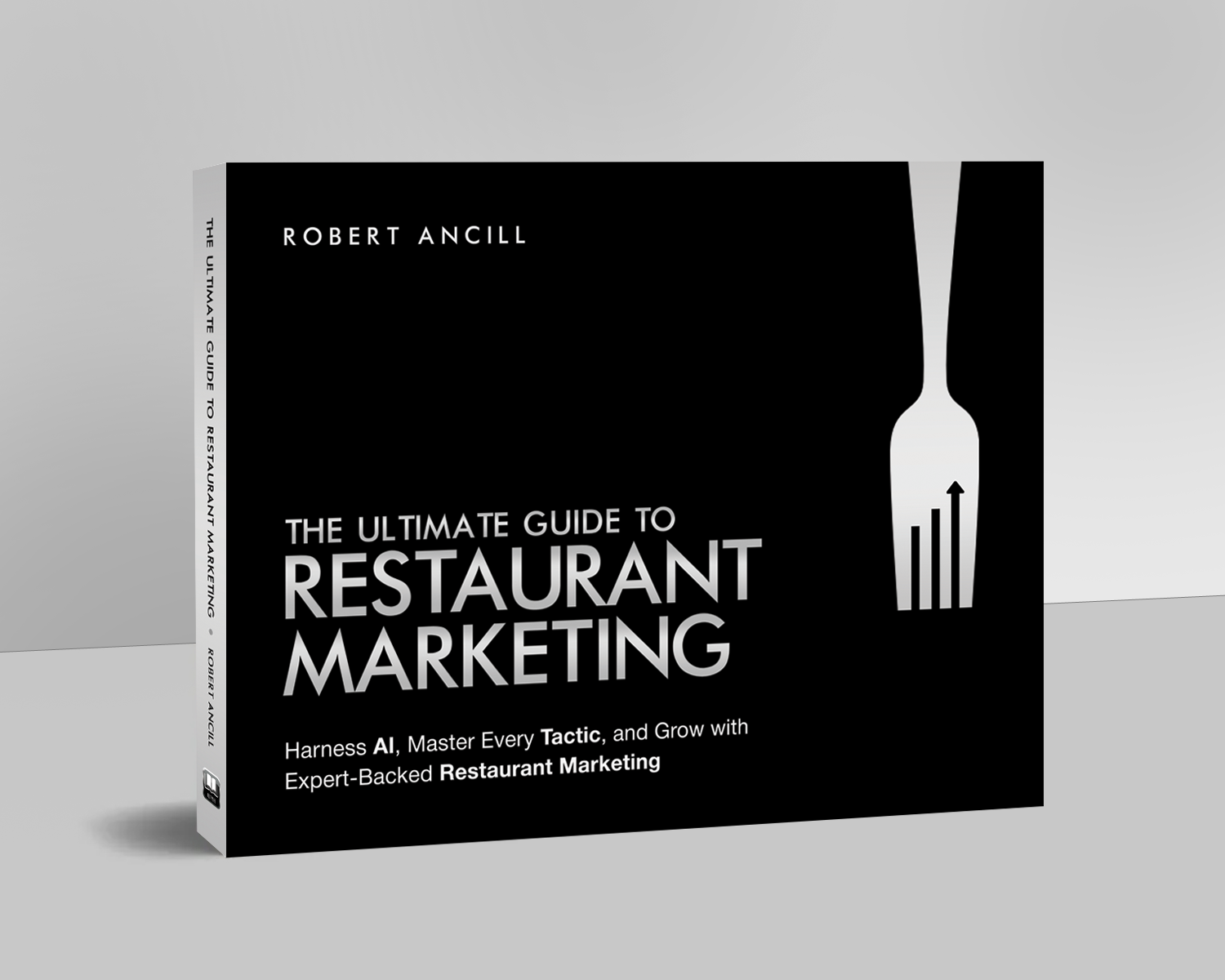
In a hyper-digital world where attention spans are short and competition is relentless, restaurant marketing must be bold, data-driven, and irresistibly engaging. Static promotions and outdated playbooks no longer make the cut.

Design is no longer just about atmosphere, it’s about creating intelligent, emotionally resonant spaces that perform. In a world where guest expectations evolve faster than menus, and automation is reshaping hospitality from the inside out, restaurant design

This isn’t your typical business book. It’s not wrapped in jargon or padded with theory. It’s about what actually happens when you build restaurants in real cities, with real teams, under real pressure, and still manage to make it work.